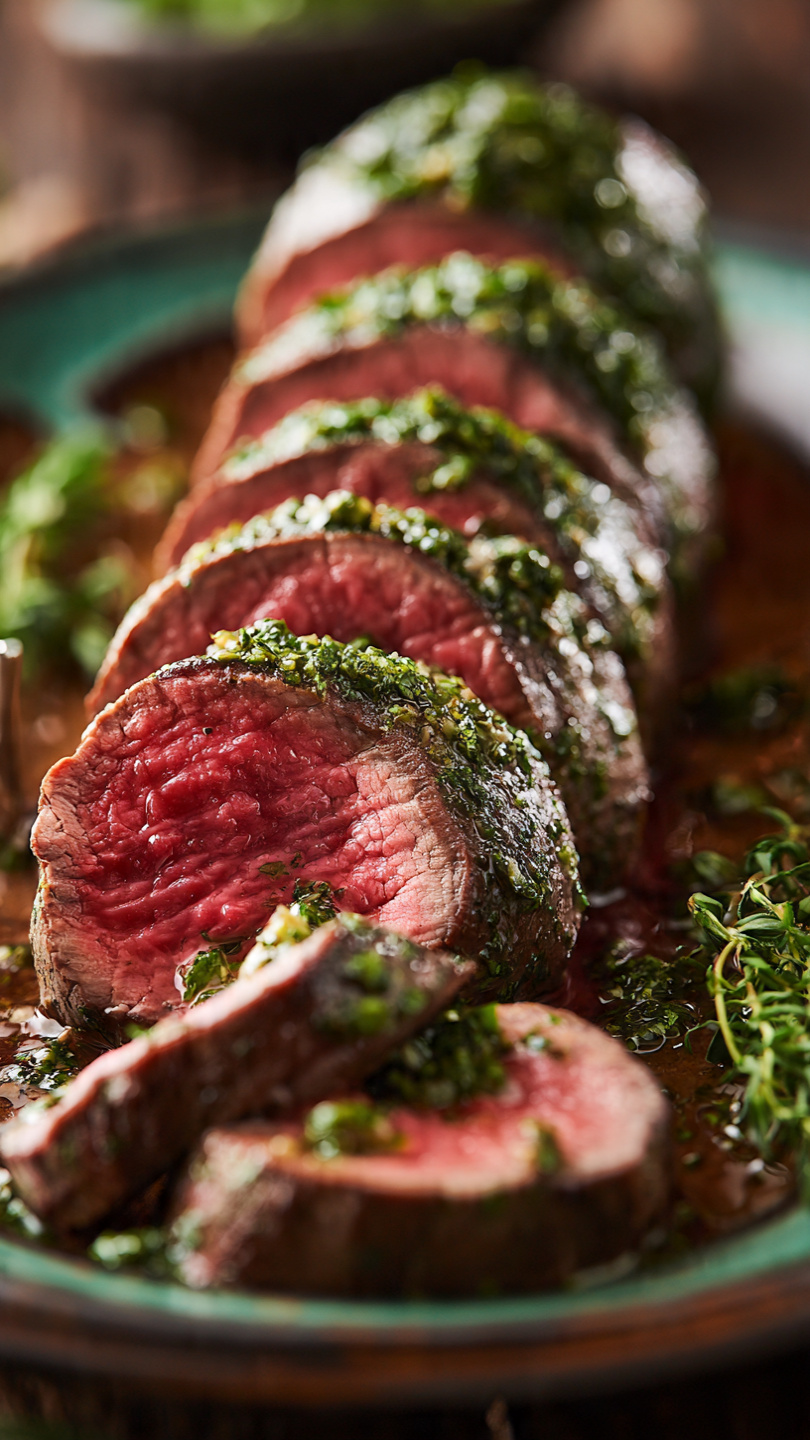
Best Ever Beef Tenderloin
This juicy beef tenderloin recipe delivers a perfectly seared, oven-finished roast with a golden crust and buttery pink center that will impress any dinner table.

The Only Beef Tenderloin Recipe You Will Ever Need
There is a reason beef tenderloin earns a spot at the table for the most important dinners of the year. It is the most naturally tender cut of beef you can buy, and when it is cooked right, it delivers something truly extraordinary: a shatteringly crisp, herb-scented crust wrapped around a rosy, buttery interior that practically melts on contact. This is the best ever beef tenderloin recipe, and once you make it this way, no other method will feel necessary.
Whether you are planning an easy beef tenderloin dinner for the holidays, a special anniversary meal, or simply want to treat your household to something extraordinary on a weekend, this recipe delivers restaurant-quality results from your own kitchen. The technique is a classic cast iron sear followed by a quick finish in a hot oven, which gives you that gorgeous crust without overcooking the center.
Why the Cast Iron Method Works So Well
If you have ever wondered how steakhouses achieve that deep, almost lacquered crust on their beef, the answer is high, dry, consistent heat. A cast iron skillet is the single best tool for this job at home. It holds heat evenly, goes from stovetop to oven without complaint, and builds a fond on the bottom that becomes the base for the most incredible pan drippings.
This is what separates a good beef tenderloin from the best ever beef tenderloin: the sear. Getting it right means a screaming hot pan, a dry surface on the meat, and the patience to leave it alone. Flip too early and you lose the crust. Move it too much and you steam instead of sear.
Getting the right equipment and quality ingredients genuinely transforms this recipe from good to unforgettable. Here are the tools and pantry items worth having on hand:
Chef's Tip: Always pat your tenderloin completely dry before seasoning. Moisture on the surface is the enemy of a good sear. Use paper towels and be thorough, especially after removing it from any packaging.
How To Cook Beef Tenderloin Like a Pro
The biggest mistake home cooks make with beef tenderloin is pulling it straight from the refrigerator and putting it into a hot pan. Cold meat seizes up and cooks unevenly, leaving you with an overcooked outer band and a cold center. Give yourself at least 45 minutes to let the roast come to room temperature. That small step makes a genuinely noticeable difference.
The second game-changer is the dry brine. If you have the time, season your tenderloin with salt the night before and leave it uncovered on a rack in the refrigerator. The salt draws out surface moisture, then reabsorbs it back into the meat as a flavorful brine. By the time you sear it the next day, the surface is perfectly dry and the interior is deeply seasoned.
The seasoning blend here is intentionally simple: kosher salt, cracked black pepper, garlic powder, and a touch of smoked paprika. These four ingredients complement the beef rather than compete with it. A thin swipe of Dijon mustard before the rub is optional but adds a subtle depth and helps the crust adhere beautifully.
The Herb Butter Baste
Once you have your initial sear, the herb butter baste is where the flavor truly layers in. Butter, smashed garlic, fresh rosemary, and thyme hit the hot pan and immediately begin to foam and perfume the kitchen. Tilting the pan and spooning that liquid gold over the roast for just a minute or two before the oven creates an aromatic crust that no dry rub alone can achieve.
Warning: Do not skip the resting step. Cutting into a tenderloin before it has rested for at least 10 minutes will send all of those beautiful juices straight onto your cutting board instead of staying where they belong, in the meat.
Nailing the Temperature Every Time
Beef tenderloin is too expensive and too delicious to guess on doneness. An instant-read thermometer is non-negotiable here. Pull the roast from the oven when the thickest part reads 120 to 125 degrees F for a perfect medium-rare. It will climb to 125 to 130 degrees as it rests under foil. For medium, target 130 to 135 degrees F out of the oven.
- Rare: Pull at 115 degrees F, rest to 120
- Medium-rare: Pull at 120 to 125 degrees F, rest to 130
- Medium: Pull at 130 degrees F, rest to 135
- Well done: Not recommended for tenderloin
Tenderloin has very little fat marbling compared to a ribeye, which means it becomes dry and chalky when overcooked. Medium-rare is truly the sweet spot and the way this cut is meant to be enjoyed.
Ready to bring this beautiful roast to life? Here is the full step-by-step recipe:
Best Ever Beef Tenderloin
This juicy beef tenderloin recipe delivers a perfectly seared, oven-finished roast with a golden crust and buttery pink center that will impress any dinner table.
Ingredients
- 3 lb beef tenderloin roast, trimmed and tied with kitchen twine
- 2 tsp kosher salt, divided
- 1 1/2 tsp black pepper, freshly cracked
- 1 tsp garlic powder
- 1/2 tsp smoked paprika
- 2 tbsp avocado oil or vegetable oil, high smoke point oil
- 4 tbsp unsalted butter, divided
- 4 garlic cloves, smashed and peeled
- 3 fresh rosemary sprigs
- 4 fresh thyme sprigs
- 1 tbsp Dijon mustard, optional, for rubbing before seasoning
Instruction
Remove the beef tenderloin from the refrigerator at least 45 minutes before cooking to bring it to room temperature. Pat it completely dry with paper towels on all sides.
Preheat your oven to 425 degrees F (220 degrees C). If using Dijon mustard, brush a thin layer all over the roast now.
In a small bowl, combine the kosher salt, cracked black pepper, garlic powder, and smoked paprika. Rub the seasoning blend generously over every surface of the tenderloin.
Heat a large oven-safe cast iron skillet over high heat for 2 minutes until smoking hot. Add the avocado oil and swirl to coat.
Sear the tenderloin for 2 to 3 minutes per side, rotating to brown all sides evenly, about 10 minutes total. Do not move the roast while searing to develop a deep, even crust.
Reduce the skillet heat to medium. Add the butter, smashed garlic, rosemary, and thyme to the pan. As the butter melts and foams, tilt the pan and use a spoon to baste the roast continuously with the herb butter for 1 to 2 minutes.
Transfer the entire skillet to the preheated oven. Roast for 20 to 25 minutes, or until an instant-read thermometer inserted into the thickest part reads 120 to 125 degrees F for medium-rare, or 130 to 135 degrees F for medium.
Remove the skillet from the oven and transfer the tenderloin to a cutting board. Tent loosely with foil and let it rest for at least 10 to 15 minutes before slicing. The temperature will rise another 5 degrees as it rests.
Slice into 0.75-inch medallions, arrange on a platter, and spoon any remaining pan juices over the top before serving.
Equipment
- Large cast iron skillet (12-inch recommended)
- Instant-read meat thermometer
- Kitchen twine
- Paper towels
- Cutting board
- Basting spoon
- Aluminum foil
- Small mixing bowl
Notes
Serving, Storing, and Variations
Beef tenderloin is stunning on its own, but it pairs beautifully with classic sides. Think creamy mashed potatoes, roasted asparagus, a simple wedge salad, or a rich red wine pan sauce made from the drippings left in your cast iron.
For a simple venison variation, the same cast iron technique works wonderfully as a simple cast iron venison tenderloin. Venison is leaner and more delicate, so pull it even earlier, around 130 degrees F, and rest it well.
Leftovers slice cold over arugula with a mustard vinaigrette for one of the best next-day lunches imaginable. Store them in an airtight container for up to 3 days and reheat gently in a low oven with a splash of broth to keep the slices from drying out.
This is the kind of recipe that becomes a tradition. Make it once and you will understand exactly why.